Loading article...
US Government Purchases Location Data on Americans without a Warrant: What Does it Mean?
Generating AI summary...
Summary
The FBI has resumed buying location data on Americans, raising concerns about privacy and surveillance. This data is collected from mobile apps and sold to data brokers, who then sell it to government agencies without a warrant. This practice is considered unconstitutional by many, and lawmakers are pushing for reform.
What Happened
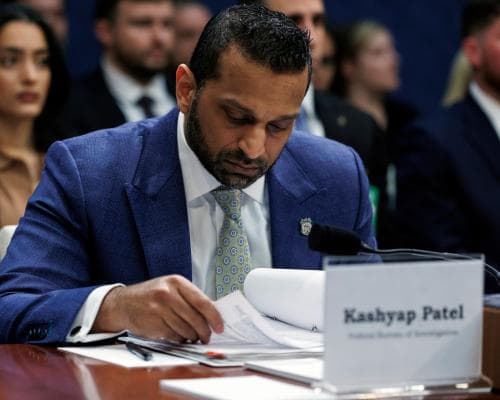
Kash Patel, the FBI director, admitted that the agency purchases commercially available location data that is consistent with the US Constitution and the Electronic Communications Privacy Act. This data is used to gather intelligence, but critics argue that it is an end-run around the Fourth Amendment, which protects against unreasonable search and seizure.
Why This Matters
The collection and use of location data on Americans raises concerns about privacy and surveillance. This data can reveal intimate details about a person's life, including their movements, habits, and associations. The fact that government agencies can purchase this data without a warrant is particularly concerning, as it allows them to bypass the requirements of the Fourth Amendment.
Industry Impact
The industry of data brokering is a lucrative one, worth billions of dollars. Data brokers collect and sell location data, often buying it from app developers, and sometimes information about name, gender, health, political preferences, and home ownership. This has raised concerns about the lack of oversight and regulation in the industry.
Final Thoughts
The collection and use of location data on Americans is a complex issue that raises concerns about privacy and surveillance. While there are steps individuals can take to protect their data, such as disabling location ID and reviewing app permissions, the real answer is that Congress needs to step in to address these concerns. Lawmakers are pushing for reform, including a measure to stop the federal government from buying location information from data brokers without a warrant.
FAQs
Q: How does the US government collect location data on Americans?
A: The US government collects location data on Americans from mobile apps and sells to data brokers, who then sell it to government agencies without a warrant.
Q: What can government agencies learn from private location data?
A: Government agencies can learn intimate details about a person's life, including their movements, habits, and associations.
Q: Who is selling private location data to US law enforcement agencies?
A: Data brokers, which are companies that buy, collect, and sell a vast array of data points on Americans with almost no oversight.
Source: The Guardian